Real People Real Solutions in Real Estate

Sell Your Home in Houston or Austin, TX

Selling your home is more than putting a sign in the yard—it's about having the right strategy from day one.

Whether you're selling your first home, upgrading to your next one, downsizing, or relocating, the right preparation and marketing can make all the difference. At Real Haven Realty, we combine local market expertise, personalized service, and proven marketing strategies to help homeowners throughout Houston and Austin sell with confidence.

Our goal is simple: help you maximize your home's value while making the selling process as smooth and stress-free as possible.

GET YOUR FREE HOME VALUE REPORT HERE

Ask for Your Free Home Seller's Guide

Why Sell with Real Haven Realty? Instead of treating every listing the same, we create a customized marketing strategy based on your home's location, condition, price point, and target buyer.

Our boutique approach means you'll receive: Expert pricing backed by local market data

  • Professional photography and marketing
  • Strategic online and social media exposure
  • Skilled negotiation throughout the transaction
  • Clear communication from listing to closing
  • Personalized guidance every step of the way

Because no two homes—or sellers—are exactly alike.

THE REAL HAVEN REALTY SELLER ROADMAP

Selling a home involves dozens of moving parts, but you don't have to navigate them alone. Here's what you can expect when you work with Real Haven Realty.

  1. Consultation We begin by learning about your goals, timeline, and priorities.
  2. Pricing Strategy Using market data and neighborhood trends, we determine a competitive pricing strategy designed to attract qualified buyers.
  3. Home Preparation We'll recommend repairs, staging, decluttering, and improvements that can help maximize your home's appeal. 
  4. Professional Photography High-quality photography, video, and compelling listing descriptions help your home make a strong first impression.
  5. MLS Launch Your home is listed on the MLS and syndicated across major real estate websites.
  6. Marketing Our marketing strategy includes digital advertising, social media, email campaigns, and targeted exposure to buyers and local agents.
  7. Offers We'll review every offer with you, explain the terms, and help you make an informed decision.
  8. Under Contract We'll coordinate inspections, appraisals, title work, deadlines, and communication with all parties.
  9. Negotiations From repair requests to appraisal concerns, we'll advocate for your best interests throughout the transaction.
  10. Closing We'll guide you through the final steps and celebrate a successful sale.

Seller Resources:

Every home sale is unique, but informed sellers make better decisions. Explore our library of expert resources designed to help you prepare, price, market, and sell your home with confidence.

WHY USE A PROFESSIONAL REALTOR® WHEN SELLING A HOME IN TEXAS?

WHY USE A PROFESSIONAL REALTOR® WHEN SELLING A HOME IN TEXAS? I often get asked, "Can I save money by selling my home myself?" Truthfully, the answer is yes, you can legally sell your home without a Realtor in Texas. However, you'll be responsible for pricing, marketing, showings, negotiations, paperwork, and managing the transaction through closing. For many sellers, mistakes in pricing or negotiations can cost far more than the commission they hoped to save. If you’re planning to sell your home in Texas, working with a licensed Realtor® can help you sell faster, reduce risk, and maximize your net proceeds. In competitive markets like Austin and Houston, pricing strategy, professional marketing, and contract expertise are critical to a successful sale. Selling a home is one of the largest financial transactions most people will ever make. While selling without representation may seem appealing, the data—and real-world outcomes—show that working with a Realtor consistently delivers better results. What does a Realtor® do to Sell Your Home? Accurate Pricing in Austin and Houston  Pricing your home correctly from day one is essential. Realtor® uses local market data, recent comparable sales, and neighborhood trends to determine a price that attracts qualified buyers while protecting your equity. Proper pricing helps avoid extended days on market and costly price reductions. For example, on a $500,000 home, pricing your property just 3% below market value could mean leaving $15,000 on the table.  Pricing it too high to start, can lead to multiple price reductions, longer days on market that could also cost you tens of thousands of dollars.  Professional Marketing That Gets Your Home Sold A Realtor® doesn’t just list your home—they create a comprehensive marketing strategy designed to reach serious buyers. This includes: Professional photography and compelling listing descriptions  MLS exposure across all major real estate platforms  Targeted digital marketing and agent-to-agent networking  Strategic positioning to stand out in Austin and Houston markets  Effective marketing drives stronger demand and better offers. Expert Negotiation Under Texas Real Estate Contracts Texas real estate contracts are detailed, deadline-driven, and legally binding. A Realtor®helps negotiate:  Purchase price and financing terms  Option periods and repair requests  Appraisal challenges  Closing timelines and seller concessions  An experienced negotiator protects your interests and helps maximize your bottom line. Contract Knowledge & Risk Reduction Selling a home involves strict disclosure requirements and timelines. A Realtor®ensures compliance with Texas disclosure laws, manages contract deadlines, and helps reduce the risk of legal or financial mistakes that can delay—or derail—a sale. Managing Inspections, Repairs & Closing in Texas In high-heat, high-humidity, and flood-prone regions like Central Texas and Southeast Texas, inspections often uncover issues that require careful handling. A Realtor®coordinates inspections, negotiates repairs, and works with inspectors, lenders, and title companies to keep the transaction on track through closing. What is the Real Cost of Selling Without a Realtor®? Many homeowners consider FSBO (For Sale By Owner) to save on commission. However, national and local data consistently show that FSBO sellers often net significantly less—and assume far more risk—than those who work with a professional. FSBO vs. Selling With a Realtor® in Texas Factor   FSBO Sellers Sellers With a Realtor® Average Sale   Price 26–35% lower on average (NAR 2025 data) Higher net proceeds in 97% of cases Legal & Contract Risk   High—disclosures and deadlines easily missed  Handled professionally under Texas contracts Marketing Reach   Limited to yard sign + Zillow  MLS + 150+ websites, pro photos & video Negotiation Power   Emotional seller = weaker position Experienced agent negotiates for you Why FSBO Often Costs More Than It Saves While avoiding commission may seem appealing, FSBO sellers often face: Lower offer prices due to limited exposure Fewer qualified buyers Longer time on market Increased legal and financial risk Missed negotiation opportunities In fast-moving markets like Austin and Houston, professional pricing, marketing, and negotiation often result in a higher final net, even after commission. Why Sell With Real Haven Realty? At Real Haven Realty, we combine local Texas market expertise with a hands-on, client-first approach. We don’t just list homes—we create strategic selling plans designed to protect your interests and deliver results. Whether you’re selling in Austin, Houston, or surrounding communities, our goal is simple: to help you sell with confidence, clarity, and peace of mind. Ready to Sell Your Home in Texas? If you’re ready to sell your home in Austin or Houston, Real Haven Realty is here to help. What Is My Home Worth? Get a Complimentary Pricing Consultation today for a personalized home value analysis and a proven strategy to get your home sold—on your terms. For more content on getting your home ready for sale, check out Top 10 Things to Prepare your Home for Sale. And, First Impressions Sell Homes Ask for our Free Home Seller's Guide About the author: Ronda Doxey is the Broker/Owner of Real Haven Realty and has helped buyers and sellers throughout Houston and Austin navigate changing market conditions. Her background as both an investor and broker gives clients practical guidance on pricing, negotiations, and maximizing home value.
Read More

Should I Fix My House Before Selling?

Should I Fix My House Before Selling? If you're thinking about selling your home, one of the first questions you may ask is: "Should I fix my house before I sell it?" It's a fair question—and one I hear often from homeowners who have lived in their homes for many years. The short answer is: probably, but not necessarily in the way you think. You don't need to completely renovate your home before putting it on the market. In fact, spending tens of thousands of dollars on a new kitchen or bathroom may not give you the return you expect. The goal isn't to make your house perfect. The goal is to make smart improvements that help your home show well, eliminate problems buyers will notice, and position the property to sell for the best possible price. And sometimes, the smartest decision is to do less. Start With the Question: What Does Your Home Need? Before you start calling contractors or shopping for countertops, take a step back.  The first thing I recommend is looking at your home through the eyes of a buyer.  Possibly do a Pre Listing Home Inspection. If you've lived in your house for 10, 20, or 30 years, you probably don't see every little imperfection anymore. That loose doorknob, dated light fixture, scuffed wall, or dripping faucet may have simply become part of the background. A buyer sees it differently. They may start wondering: What else hasn't been maintained? Is there a bigger problem I can't see? How much is it going to cost me to fix this? Should I make a lower offer because of the condition? That's why condition matters so much when you're preparing to sell. But condition doesn't mean everything needs to be new. Fix the Problems Before You Upgrade the Features This is probably the most important advice I can give a seller. Fix what's broken before you worry about what's outdated. A buyer may be able to live with an older kitchen. They may even like the idea of updating it themselves. But a leaking roof, plumbing problem, electrical issue, damaged flooring, or obvious deferred maintenance can make buyers nervous. These are the types of issues that may also show up during a home inspection and become a negotiation point later. Addressing important repairs before listing can give you more control over the process instead of waiting for a buyer to discover them after you're under contract. Repairs worth considering before you sell Depending on the condition of your home, this could include: Fixing plumbing leaks and running toilets Repairing roof leaks or obvious roof damage Addressing electrical or safety concerns Repairing damaged doors or windows Fixing broken appliances that will convey with the home Repairing damaged flooring Replacing damaged or missing trim Fixing water stains or drywall damage Addressing obvious HVAC problems Repairing fences, gates, gutters, or other visible exterior issues These aren't necessarily exciting improvements. But they can make a big difference in how buyers perceive the home. Don't Automatically Remodel the Kitchen This is where sellers can get themselves into trouble. You may look at your kitchen and think, "No one is going to pay what I want for this house unless I completely redo this." Maybe. But maybe not. A major kitchen remodel can be expensive, and there is no guarantee you'll recover the full cost when you sell. Current remodeling data and industry guidance continue to show that many major renovations don't return dollar-for-dollar at resale. Instead of asking,  "What would I want if I were remodeling this kitchen?" Ask: "What does this kitchen need to look clean, cared for and competitive with the other homes buyers will be considering?" Sometimes that means: Painting the cabinets Replacing dated hardware Updating a light fixture Replacing a worn faucet Touching up paint Deep cleaning the cabinets and appliances Replacing damaged countertops or flooring And sometimes it means doing nothing at all.If the kitchen is functional but dated, we can take that into account when determining the right price and marketing strategy. What About the Bathrooms? The same rule applies. You don't necessarily need a brand-new bathroom. But you don't want buyers focusing on the things that make the bathroom look neglected. Small improvements can make a tired bathroom feel much fresher: Fresh caulk around the tub or shower Clean or refreshed grout Replacing outdated fixtures Touching up paint Replacing a worn shower curtain or glass door Updating cabinet hardwar Improving lighting Deep cleaning Again, the goal isn't necessarily to create a luxury bathroom.It's to remove the reasons a buyer might think, "This house needs a lot of work." Paint Can Go a Long Way Paint is one of the improvements I frequently recommend because it can change the way an entire house feels without requiring a major investment. If your walls have bold colors, lots of scuffs, outdated wallpaper, or years of wear, fresh paint can make the home feel cleaner and better maintained. You don't have to repaint every room simply because you're selling. Focus on the areas where paint will make the biggest difference. And when you're unsure, neutral is usually the safer choice. You want buyers looking at the house, not wondering how they're going to paint over the purple dining room. Don't Forget the Outside Your home's first impression starts before the buyer ever walks through the front door. That makes curb appeal one of the areas where a relatively small investment can have a meaningful impact. Take a look at: Landscaping Overgrown bushes and trees Weeds and flower beds Mulch The front door Exterior paint The driveway and walkways The garage door Exterior lighting Fences and gates You may not need to spend thousands of dollars on landscaping. Sometimes mowing, trimming, mulching, pressure washing and cleaning up the front entrance can make a bigger difference than an expensive project. And some exterior improvements have historically shown particularly strong returns. For example, garage door replacement has consistently ranked among the higher-return remodeling projects in industry cost-versus-value studies. What Should You NOT Fix Before Selling? This may be just as important as knowing what to fix. One of the biggest mistakes I see sellers make is spending money on improvements that they would have wanted for themselves—but that don't necessarily make financial sense for selling. Be careful about: Completely remodeling a functional kitchen Building a high-end bathroom that exceeds the neighborhood Adding rooms or features buyers may not value Choosing expensive finishes based solely on your personal taste Replacing things that are dated but still functional Making major structural changes without understanding the potential return A good rule is to look at the neighborhood before you look at Pinterest. Your home should compete with the other homes buyers are considering. It generally doesn't make sense to create a $100,000 kitchen in a neighborhood where buyers aren't paying a premium for it. As HGTV's remodeling guidance points out, sellers need to consider what is standard for their neighborhood and avoid improving a home well beyond what the market supports. What If My House Needs a LOT of Work? This is where the answer becomes more personal. Maybe you've lived in your home for 30 years and haven't updated anything. Maybe the roof is older, the kitchen is dated, the bathrooms need work and the flooring has seen better days. That doesn't automatically mean you need to spend $50,000—or $100,000—before selling.There are several ways we can approach a home that needs work. Option 1: Make strategic improvements We identify the projects that will have the greatest impact and concentrate your money there. Option 2: Sell the home as-is Sometimes the best financial decision is to let the buyer take on the work. The key is pricing the home appropriately and marketing it to the right buyers. Option 3: Do a little of both This is often where we end up. Take care of the obvious repairs. Improve the areas that will make a noticeable difference. Clean, declutter and stage the home. Then price it based on the home's actual condition. There is no rule that says you have to make everything new before you sell. Think About Your Return, Not Just the Cost This is where having a conversation with a real estate professional before you start spending money can be extremely valuable. Let's say you spend $20,000 updating your kitchen. If the improvements only increase your home's market value by $10,000, you've spent $20,000 to gain $10,000. That's not a great investment. On the other hand, spending a few thousand dollars addressing deferred maintenance, improving curb appeal and freshening up the interior could make the home more competitive and help you avoid larger concessions later. The question isn't: "How much can I improve my house?" It's: "Where will my money make the biggest difference?" That's a very different question. Before You Spend a Dollar, Let's Make a Plan This is one of the reasons I encourage sellers to talk with me before they start making improvements. We can walk through the house together and look at it from a buyer's perspective. Then we can prioritize. Must fix. Nice to fix. Don't bother. We can also look at the homes you're competing against, recent sales in your neighborhood, and what buyers are likely to expect at your home's price point. Sometimes I'll tell a seller to paint. Sometimes I'll recommend replacing something. And sometimes I'll tell them, "Don't spend the money. Let's sell it as it is." Every house is different.Every seller's financial situation is different.And the right answer depends on your goals, your timeline, your neighborhood and the current market. The Bottom Line Yes, you should probably fix some things before selling your house—but you don't need to fix everything. Focus first on repairs and maintenance issues that could scare buyers away or become inspection problems. Then look at relatively inexpensive improvements that make the home feel clean, cared for and move-in ready. Be careful about major renovations, especially if you're doing them solely because you think you'll get every dollar back when you sell. And most importantly, don't spend money until you know what the market will support. I've worked with many homeowners who weren't in a rush to sell and didn't want to be pressured into making a decision. Sometimes the right answer is to make several improvements before listing. Sometimes it's a handful of small repairs.  And sometimes the best decision is to sell the home exactly as it is. The goal isn't to spend the most money getting your house ready. The goal is to make the smartest investment to help you sell it. If you're wondering what makes sense for your home, I'd be happy to take a look and help you prioritize before you start spending money. Let's talk about your home, your goals and what will actually make sense for you. For more information on the Home Selling Process Ask us for our Free Home Seller's Guide   Updated August 24,2026 About the author: Ronda Doxey is the Broker/Owner of Real Haven Realty and has helped buyers and sellers throughout Houston and Austin navigate changing market conditions. Her background as both an investor and broker gives clients practical guidance on pricing, negotiations, and maximizing home value.
Read More

What are the Top 10 Things to Do to Prepare Your Home for Sale?

What are the Top 10 Things to Do to Prepare Your Home for Sale?   Preparing your home for sale in the Austin or Houston real estate market requires more than a quick clean and a yard sign. Strategic preparation helps your home sell faster, attract stronger offers, and reduce negotiation issues—especially in competitive Texas markets. Below are the top 10 steps sellers should take before listing their home.  1. Declutter and Depersonalize Your Home Remove excess furniture, personal photos, and unnecessary décor. Decluttered homes photograph better, feel larger, and allow buyers to envision themselves living in the space. Pro Tip: Less visual clutter often leads to higher perceived value and better showing feedback.  2. Complete Minor Repairs Before Listing Address small but noticeable issues such as dripping faucets, cracked outlet covers, sticking doors, or damaged trim. These items frequently show up in inspections and can become leverage for buyers if left unresolved. 3. Refresh With Neutral Paint Colors Neutral paint tones help reflect light and appeal to the widest pool of buyers. This is especially impactful in older homes common throughout Central Austin, Houston Heights, and established suburban neighborhoods. 4. Deep Clean Every Surface A professionally cleaned home signals proper maintenance. Focus on kitchens, bathrooms, baseboards, windows, and flooring. In Texas markets, cleanliness directly affects perceived condition and value. 5. Maximize Curb Appeal First impressions matter. Trim landscaping, add fresh mulch, power wash walkways, and ensure the front entry feels welcoming. In both Austin and Houston, curb appeal heavily influences showing traffic. 6. Service Major Systems (Especially HVAC) Have HVAC systems serviced prior to listing. Buyers in hot, high-humidity Texas climates pay close attention to cooling performance, drainage, roofing, and foundation-related issues. 7. Stage for Layout and Function Proper staging—professional or DIY—helps buyers understand how each space is intended to be used. Well-staged homes consistently sell faster and closer to list price. 8. Organize Closets, Garage, and Storage Buyers will open closets and garage doors. Clean, organized storage areas suggest the home offers ample space and has been well cared for. 9. Prepare Key Documents in Advance Gather surveys, permits, repair invoices, warranties, utility information, and HOA documents. Being organized reduces delays and builds buyer confidence during the contract phase. 10. Price Strategically From Day One Correct pricing is critical in the Austin and Houston housing markets. Overpricing can lead to extended days on market and price reductions, while strategic pricing often generates stronger offers and better terms. Ready to Sell With Confidence? At Real Haven Realty, we help Austin and Houston homeowners prepare, price, and position their homes to sell for maximum value—without unnecessary stress or wasted expenses. Thinking about selling your home?  Schedule a personalized seller consultation to understand what improvements matter most, what you can skip, and how to launch your home successfully in today’s Texas market.   Talk to a Real Haven Realty advisor today For more information on the Home Selling Process Ask us for our Free Home Seller's Guide
Read More

What Actually Makes a Listing Stand Out in 2026?

What Actually Makes a Listing Stand Out in 2026? The playbook for selling a home has changed fast. Buyers have more options, more leverage, and they are using it. Active housing inventory rose more than 16% year-over-year in 2025 — one of the largest annual increases since the pandemic-era crunch.(1) At the same time, 62% of homebuyers in 2025 paid below the original list price, the highest share since 2019, with the average discount hitting 7.9%, the biggest in over a decade.(2) What does that mean for sellers? It means the days of putting a home on the MLS, snapping a few photos, and waiting for offers are over. Today’s buyers are more informed, more cautious, and more willing to walk away. The listings that win are the ones that eliminate friction at every stage — from the first scroll to the final offer. Here is what that actually looks like. Know What the 2026 Buyer Is Filtering For  Before we talk strategy, it helps to understand what is driving buyer decisions right now. It is not just about bedrooms and bathrooms anymore. Today’s buyer is thinking about what a home will cost them after they buy it. Layout and Function Over Size  Estate’s 2026 Design Trends Report, 86% of buyers say flexible layouts help them see past square footage. Dedicated home offices, walk-in pantries, multipurpose rooms — these features outweigh raw size. Nearly half of buyers in that same study said they will not buy a home that does not feel right the moment they walk in. (3)  Move-In Ready Is Increasingly Non-Negotiable  Home inspections are the number one reason deals fall apart today. (4) In mid-2025, 15% of pending sales fell through, above the 12% historical norm, largely because financially stretched buyers will not absorb surprise repair costs. (4)   The tolerance for deferred maintenance has evaporated. Buyers are already stressed about affordability. When a buyer sees deferred maintenance, they do not see “potential.” They see risk. In fact, 58% of agents report buyers want closing cost credits, and 20% recommend sellers reduce price based on inspection findings.(5) Energy Efficiency as a Financial Filter  Energy efficiency is being evaluated as a financial hedge — against utility costs, against climate risk, against future insurability. According to Zillow’s 2026 Home Trends Report, terms like “zero-energy ready” and “home battery system” appearing far more frequently.6 Sellers who understand this can position features like updated HVAC systems, new windows, or solar panels not as nice-to-haves, but as cost-saving assets.  The bottom line: sellers who understand this mindset can position their listing to meet it head-on. Win the Screen Before You Win the Showing  The online listing is the first showing. By the time a buyer walks through the front door, they have already decided they are interested — or they have scrolled past. The First Photo Is Everything 85% of homebuyers consider listing photos the most critical factor when evaluating a property online.(7) Not the price. Not the description. The photo. Listings with professional photography receive up to 61% more views and sell 32% faster.(7) In a market where inventory is rising and buyers are choosier, professional photography is an enormous opportunity for sellers who take presentation seriously. Go Beyond Standard Photography Going above and beyond can garner even more attention for your home. Twilight photos used as the primary listing image average 76% more views.(7) Homes with aerial or drone photos can often sell faster.(8)Listings with video get 403% more inquiries.(8) These are not small edges. In a market where buyers have more options, these are the differences that help a listing generate momentum.  3D Tours Are Becoming Expected Virtual tours do two things at once. They filter out unqualified buyers before they waste anyone’s time. And they give serious buyers the confidence to move faster when they do show up in person. In fact, listings with 3D virtual tours sell up to 31% faster and for up to 9% more. (9,10) The visual package for a listing is doing the work of an open house before anyone sets foot in the property. If the first photo does not stop the scroll, the square footage and the price will never get a chance to matter.  Remove Every Reason to Say “No”  In a slower market, uncertainty creates lower offers or no offers. Every unanswered question is a reason to negotiate down or walk away. The smartest move? Answer the scary questions before they are asked. That starts with a pre-listing inspection. For $300 to $800, a seller can identify and address issues on their own timeline and terms — before a buyer’s inspector turns a minor finding into a deal-killing negotiation. NAR has been actively encouraging this approach, noting that pre-listing inspections allow sellers “the opportunity to address any repairs before the For Sale sign even goes up.” (11) Beyond the inspection, consider providing the ages of major systems (HVAC, roof, water heater), a 12-month utility cost history, and documentation of any recent repairs. This is not about over-sharing. It is about removing the discount that buyers are mentally applying for risk and uncertainty. Photos win hearts. Data wins brains. A winning listing needs both.  Price It Right or Pay the Price  Everything above — understanding the buyer, presenting beautifully, being transparent — leads here. Pricing. Overpriced listings do not just sit longer. They sell for less than if they had been priced correctly from the start. The Overpricing Trap 39% of all listings nationwide had price reductions in 2025. The typical home sold for nearly 4% under its asking price during peak season — the steepest discount in six years.(12) When a listing sits, days on market climb and buyers start to assume something is wrong — even when the only issue was the price. That stigma is real and hard to undo. Buyers begin to wonder what they are missing.  The First Two Weeks Are Everything A listing’s visibility and buyer interest peak immediately after launch. Pricing high to see what happens is dangerous — every week of inactivity makes the next correction less effective. Pricing competitively from the start can attract multiple offers and often results in a higher final sale price.(13) The goal is not to leave money on the table by underpricing. The goal is to price with precision, right at the point where serious buyers recognize value and act fast.  One Bold Move Beats Death by a Thousand Cuts Multiple small reductions signal desperation and train buyers to wait for the next drop. A single strategic correction, aggressive enough to restart the clock, is almost always more effective. Homes with repeated small reductions sell for significantly less as a percentage of original list than those with one well-timed adjustment.(13) The market reads hesitation as weakness. Pricing correctly from day one is not conservative. It is strategic. And it is one of the most valuable things a good agent brings to the table. The New Definition of a Winning Listing  The 2026 winner is not the cheapest or the biggest. It is the most ready. Prepared with the buyer’s mindset in mind. Presented with scroll-stopping professional media. Supported by transparency that builds confidence. Priced with precision from day one. That is the new bar. Meet it, and your listing competes. Miss it, and you are watching it sit. If you are thinking about selling or if you have a listing that is not performing the way you expected — let’s talk. The difference between a home that moves and one that sits often comes down to strategy, not the property itself.   For more information on the home selling process, ask for a Free Home Seller's Guide here.  Sources      (1) HousingWire – “The U.S. Housing Market in 2025: A Year of Normalization” :   https://www.housingwire.com/articles/the-u-s-housing-market-in-2025/       (2) Redfin – “Homebuyers Are Scoring the Biggest Discounts in 13 Years” : https://www.redfin.com/news/homebuyer-discounts-below-list-price-2025/ Better Homes & Gardens      (3)  Real Estate – 2026 Design Trends Report (via HousingWire) : https://www.housingwire.com/articles/better-homes-and-gardens-real-estate-details-2026-homebuyer-trends/       (4)  Redfin – “Why 15% of Home Sales Are Falling Apart” : https://www.redfin.com/news/price-drops-record-rate-august-2025/      (5)  HomeLight – “What Buyers Want in a Home: Top Must-Haves in 2026”:   https://www.homelight.com/blog/what-buyers-want-in-a-home/      (6)  Zillow 2026 Home Trends Report (via New American Funding):  https://www.newamericanfunding.com/learning-center/homeowners/what-will-be-hot-in-2026-the-7-bold-and-the-surprisingly-practical-home-trends/      (7)  PhotoUp – “Hot Real Estate Photography Statistics You Need to Know in 2025” :  https://www.photoup.net/learn/real-estate-photography-statistics      (8)  RubyHome – “Real Estate Photography Statistics” : https://www.rubyhome.com/blog/real-estate-photography-stats/       (9)  Matterport – “With 3D Tours, Properties Sell Up to 31% Faster and at a Higher Price”:  https://matterport.com/blog/3d-tours-properties-sell-31-faster-and-higher-price      (10)  Matterport – “New Study Shows Property Buyers and Sellers Overwhelmingly Prefer Listings with 3D Tours” : https://matterport.com/news/new-study-shows-property-buyers-and-sellers-overwhelmingly-prefer-listings-3d-tours       (11)  NAR Magazine – “Agents Turn to Pre-Listing Inspections to Prevent Canceled Contracts”:  https://www.nar.realtor/magazine/real-estate-news/sales-marketing/agents-turn-to-pre-listing-inspections-to-prevent-canceled-contracts      (12)   Redfin – “Home Sellers Are Cutting Prices at a Record Rate to Lure Skittish Buyers”:  https://www.redfin.com/news/price-drops-record-rate-august-2025/      (13)  NAR Magazine – “Listing Price Reduction? How to Navigate It With Buyers, Sellers”:  https://www.nar.realtor/magazine/real-estate-news/sales-marketing/listing-price-reduction-how-to-navigate-it-with-buyers-sellers
Read More

What is a Pre-Inspection when Selling a Home?

Why Getting a Home Inspection Before Selling Your Home in Texas Is a Smart Move If you’re planning to sell your home in Houston, Austin, or Central Texas, a pre-listing home inspection can give you a major advantage—before your home ever hits the market. While most sellers assume inspections are only for buyers, experienced Texas real estate professionals know that a pre-listing home inspection helps sellers stay in control of pricing, negotiations, and timelines—especially in markets affected by heat, humidity, soil movement, and heavy storms. What Is a Pre-Listing Home Inspection? A pre-listing home inspection is a professional evaluation of your home’s structure, roof, foundation, HVAC, plumbing, and electrical systems—completed before listing your home for sale in Texas. It’s the same type of inspection a buyer would order, but you get the information first. Why do Pre-Listing Inspections Matter in Houston & Austin? Homes in Greater Houston and the Austin metro area face unique environmental and construction challenges. A pre-listing inspection helps identify common Texas-specific issues early, including: Foundation movement from expansive clay soils Drainage and grading problems after heavy rains Aging or overworked HVAC systems in extreme heat Roof wear from sun exposure and storms Moisture intrusion, poor ventilation, or prior flood impacts Knowing about these items upfront allows sellers to plan strategically instead of reacting under contract. What are the Key Benefits of a Pre-Listing Home Inspection for Texas Sellers? 1. Fewer Surprises During Option Period  In Texas, buyers often renegotiate aggressively during the option period. A pre-listing inspection reduces last-minute demands that can derail the deal. 2. Stronger Negotiating Position When inspection issues are already known and disclosed, buyers have less leverage to request price reductions or excessive repair credits. 3. Faster, Smoother Closings Prepared homes move through escrow more efficiently, helping sellers avoid delays, extensions, and re-negotiations. 4. Increased Buyer Confidence Providing inspection transparency signals that your home has been well maintained—building trust and often leading to stronger offers. 5. Smarter Pricing From Day One Understanding your home’s condition allows for accurate pricing, helping avoid overpricing, appraisal gaps, or multiple price reductions. 6. Control Over Repairs & Costs Rather than rushing repairs under contract, sellers can choose: Which items to address Which repairs add the most value Trusted, licensed Texas contractors Is a Pre-Listing Inspection Required in Texas? No—but in competitive or shifting markets like Austin and Houston, sellers who prepare upfront often experience smoother transactions, fewer concessions, and better net results. The Bottom Line for Texas Home Sellers A pre-listing home inspection helps you sell with clarity, confidence, and control. Instead of letting a buyer’s inspection dictate the conversation, you stay one step ahead. Sell Smarter with Real Haven Realty At Real Haven Realty, we help Houston and Austin homeowners prepare strategically before listing—so there are no surprises once the home is under contract. From pricing strategy to inspection preparation and negotiation guidance, our team knows how to position your home for a smooth, successful sale in the Texas market. Thinking about selling? Schedule a Seller Strategy Consultation with Real Haven Realty today and get a clear, customized plan before you list. For more on the home selling process, ask for a Free Home Seller's Guide here. 
Read More

How do First Impressions Sell Homes?

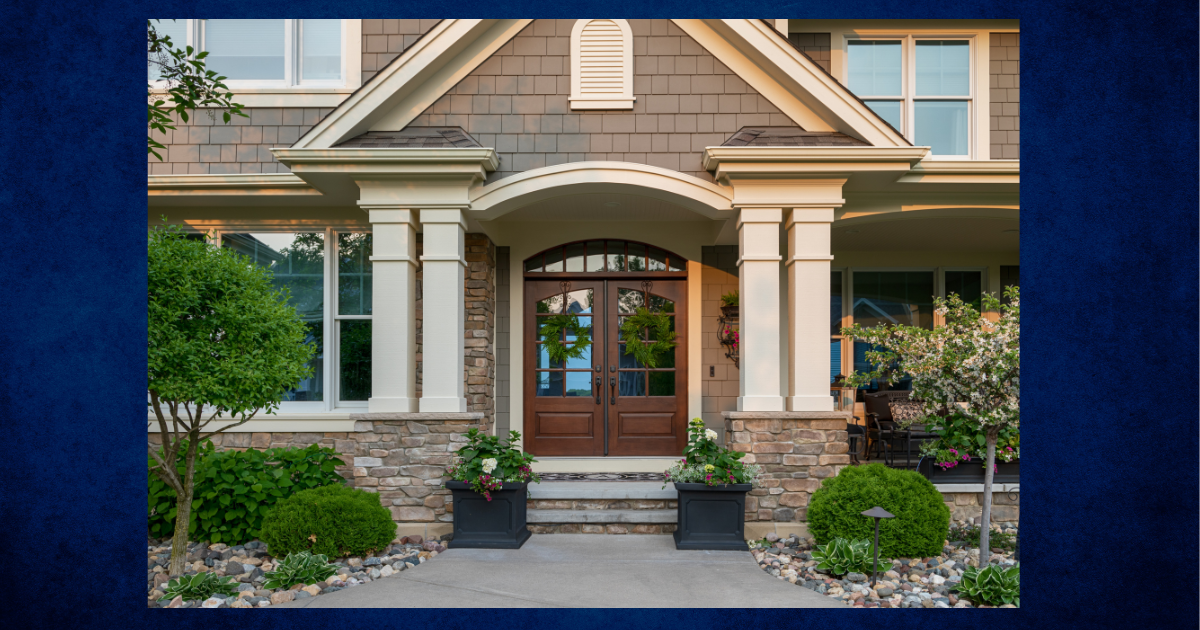
The Power of Curb Appeal When Selling Your Home   When selling your home, buyers begin forming opinions before they ever walk through the front door. The moment they pull up to the curb, they’re already deciding whether the home feels inviting, well cared for, and worth their time. That’s the power of curb appeal. Homes with strong curb appeal not only attract more buyers online and in person—they often sell faster and for more money. At Real Haven Realty, we help sellers understand that preparing the exterior of their home is one of the highest-impact, lowest-cost ways to maximize value before listing. Why Buyers Can't Unsee a Bad First Impression The Psychology Research in behavioral psychology shows that first impressions are formed within 7 seconds and are remarkably difficult to change. A buyer who pulls up to a home with peeling paint and overgrown bushes enters with skepticism — and will unconsciously look for evidence to confirm their doubt throughout the entire showing. Conversely, a home that looks immaculate from the street creates what psychologists call a halo effect — buyers assume that the same care and quality extends throughout the entire property. The good news: curb appeal improvements deliver some of the highest ROI of any home improvement — often returning $2 or more for every $1 spent. Why Curb Appeal Matters in Today’s Market 1.  It Creates an Emotional Connection Home buying is emotional. Buyers want to imagine themselves living in the home from the moment they arrive. A welcoming exterior helps buyers feel: Comfortable Excited to see the interior Confident the home has been maintained. If the outside looks neglected, buyers immediately begin wondering what problems might exist inside. 2.  It Increases Online Clicks In today’s market, most buyers first see your home online. Your listing photos start with the exterior, and that first image determines whether a buyer:  Schedules a showing Saves the home Scrolls past it Strong curb appeal dramatically improves the click-through rate of your listing, bringing more potential buyers to your door. 3.  It Signals Proper Maintenance Buyers often assume that a well-maintained exterior means the interior systems have also been cared for.  Clean landscaping, fresh paint, and a tidy entryway signal that the home has been properly maintained and responsibly owned.  This can help reduce buyer hesitation and encourage stronger offers. 4.  It Sets the Tone for Showings When buyers arrive at a showing, curb appeal immediately sets expectations.  A clean, attractive exterior builds anticipation. Buyers walk in expecting to love the home. If the yard is messy, paint is peeling, or landscaping is overgrown, buyers walk in already looking for flaws. Simple Improvements That Make a Big Impact Many curb appeal improvements are quick, affordable, and highly effective. Here are some of the easiest upgrades that can transform a home’s first impression:  Power Wash Everything  Driveways, sidewalks, siding, and fences accumulate years of grime that make a home look aged and uncared for.  A thorough power wash can make surfaces look brand new in a matter of hours.  This is one of the highest-impact, lowest-cost improvements you can make.                                                  Update the Front Door    Your front door is the focal point of your homes facade. A fresh coat in a bold, welcoming color- think deep navy, rich forest green, or classic black - creates a striking focal point.  This single change photographs beautifully and signals a well-maintained home. Clean Windows Inside and Out  Sparkling clean windows make a home look brighter, newer, and more inviting in photos.  Don't forget the window sills, frames, and any shutters.  Buyers notice streaky or dirty glass immediately - it's a signal of neglect that's easy to fix. Add Potted Flowers at the Entry                                                                                                  Flanking your front door with large, colorful planters creates instant warmth and invitation.  Choose seasonal flowers in coordinating colors.  Symmetrical placement conveys polish and intention.  Replace them weekly if needed - fresh blooms during listing photos are worth it. Edge the Lawn and Shrubs                                                                                          Clean, crisp edges along walkways and beds signal meticulous upkeep.  Even a lawn that's not perfectly lush looks intentional and well- cared for when edges are sharp. Trim any overgrown shrubs so windows are visible - buyers want natural light and sight lines.  Replace or Refresh House Numbers and Mailbox                                                        Faded, mismatched, or hard-to-read house numbers look dated.  Large, modern numerals in brushed brass or matte black look designer.  Pair with a new matching mailbox for a cohesive, finished look.  Small details signal attention and care throughout.   Declutter the Front Entry  Remove extra decor, toys, hoses, and yard tools so buyers see a clean, welcoming entrance.  Curb Appeal Matters Even More in Texas Homes in Austin, Houston, and across Texas face unique environmental factors that make exterior presentation especially important. These include:  Intense sun exposure that fades paint High humidity that can cause mildew Heavy rain that can impact landscaping and drainage Seasonal storms that create debris buildup Because of these factors, preparing the exterior properly helps buyers feel confident that the home has been well maintained despite Texas weather conditions. Small Changes Can Mean Big Returns The cost of improving curb appeal is often very small compared to the return. In many cases, a few hundred dollars spent on landscaping, cleaning, or paint can translate into thousands more in buyer interest and stronger offers. At Real Haven Realty, we guide our sellers through the improvements that will make the biggest impact before listing—without wasting money on unnecessary projects. Want More Tips on Spring Yard Maintenance?  For more guidance, be sure to read our related article: → Read our blog post:  “Spring Into Action- Your Yard is Calling”  This guide walks you through on everything from lawn and tree care specific to the Houston or Austin Climate and all the spring maintenance tips to keep your yard and curb appeal fresh.  Preparing Your Home to Sell? If you're thinking about selling, the best place to start is with a professional listing consultation. We’ll walk through your property, recommend the most impactful improvements, and help position your home to attract serious buyers. Schedule your home selling consultation today. Real Haven Realty Helping Texas homeowners sell smarter, faster, and for maximum value. For more information on the home selling process, ask for your Free Home Seller's Guide here. 
Read More

Does Staging Matter when Selling My Home?

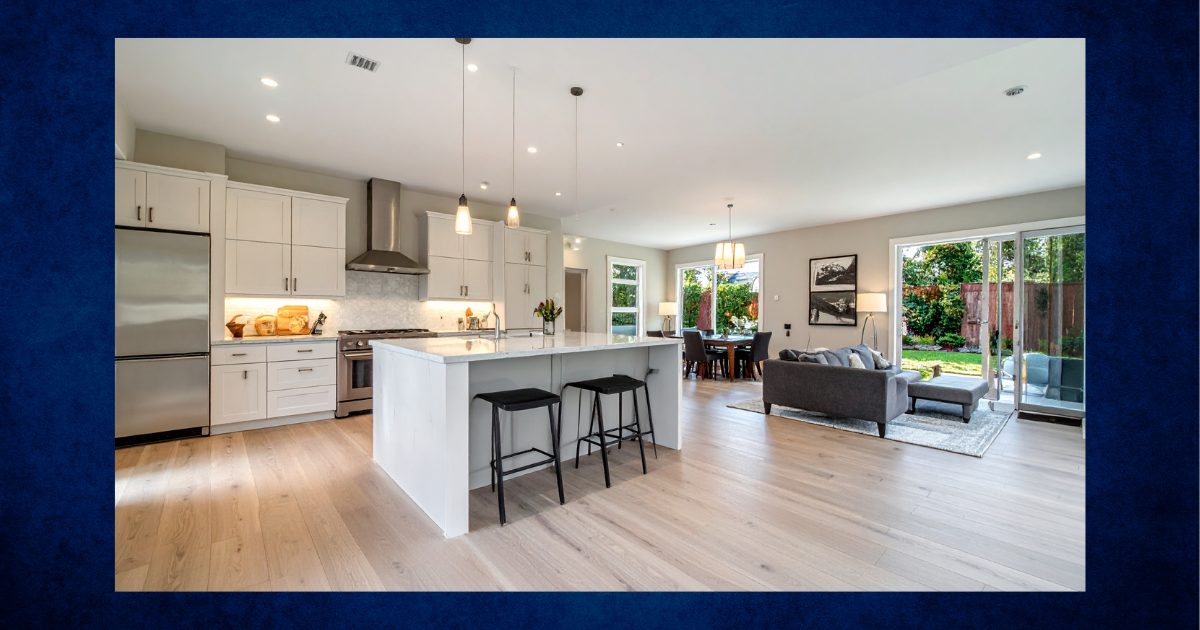
Why Staging Matters When Selling Your Home Make Your Home Stand Out Before a Buyer Ever Walks Through the Door Selling your home is about more than putting a sign in the yard and taking a few pictures. Before a buyer ever steps through the front door, they are forming an opinion based on your listing photos, the way the home looks online, and how easily they can picture themselves living there. That is where staging comes in. Home staging is the process of preparing your property to appeal to the largest possible pool of buyers. It can involve decluttering, rearranging furniture, depersonalizing, making small cosmetic improvements, updating décor, or bringing in furnishings and accessories to create a more inviting presentation. The goal isn't to make your home look like someone else's home. The goal is to make your home look its best so buyers can see its potential. According to the National Association of REALTORS®, 82% of buyers' agents said staging helped their clients visualize the property as their future home. Why Does Staging Matter When Selling a Home? Today's buyers often see your home online before they ever decide whether to schedule a showing. That means your home has to make a strong first impression in photographs as well as in person. A well-staged home can: Help buyers visualize themselves living in the home Make rooms feel more functional and inviting Highlight the home's best features Minimize distractions and perceived flaws Make the property appear more move-in ready Create stronger listing photos and online marketing Help your home stand out among competing properties Potentially help reduce the amount of time your home spends on the market Staging is especially important because buyers don't necessarily see your home the way you do. You may see the comfortable furniture your family loves, the collection you've built over the years, or the memories attached to your belongings. A buyer sees something different. They are trying to determine whether the space works for their life. Staging helps create enough visual separation for buyers to focus on the home itself. Staging Isn't Just Decorating One of the biggest misconceptions about staging is that it means making a home look beautiful for the sake of appearance. That's only part of it. Effective staging is really about marketing and positioning. Furniture can be arranged to make a room feel larger or demonstrate how the space can be used. Personal belongings can be reduced so architectural features receive more attention. A neutral color palette can help buyers focus on the property rather than a particular decorating style. Even vacant homes can benefit from staging. An empty room can sometimes make it difficult for buyers to understand scale or envision how their furniture would fit. Thoughtfully selected furnishings can give a buyer a better sense of proportion, flow, and possibility. The Online Listing Starts the First Showing Your home's first showing may happen on a phone or computer. That's why staging and photography go hand in hand. A buyer scrolling through dozens of listings is making quick decisions about which homes are worth seeing in person. Dark rooms, crowded spaces, excessive furniture, personal items, and unfinished projects can make a home less appealing before the buyer ever sees it in person. A staged, photo-ready home gives your marketing a better chance to capture attention and generate showings. The goal is to get buyers from scrolling to scheduling. And once they're in the door, the staging should reinforce the positive impression they had online. What Does Staging Involve? Every property is different, so staging should be customized rather than approached with a one-size-fits-all checklist. Depending on your home's condition and the market, staging may include: Decluttering Removing excess furniture, belongings and décor can make rooms feel larger and help buyers focus on the home's features. Depersonalizing Family photographs, highly personal collections and distinctive décor can make it harder for buyers to imagine the property as their own. Furniture Placement The right furniture arrangement can improve the flow of a room, emphasize its purpose and make the space feel more functional. Neutralizing You don't necessarily need to repaint your entire home. Sometimes a few strategic changes can make a significant difference. Neutral colors and simple décor can appeal to a broader range of buyers. Highlighting Key Spaces Living rooms, kitchens, primary bedrooms and dining areas often deserve particular attention because they help buyers understand how the home will function for everyday living. Addressing Small Issues Staging can also reveal areas that need attention before listing. A scuffed wall, outdated light fixture, crowded closet or worn piece of furniture may seem insignificant individually, but several small distractions can add up to a less polished presentation. Do You Need Professional Home Staging? Not necessarily. Some homes benefit from a complete professional staging service.  Others may only need a few strategic changes using the seller's existing furnishings and décor. There are several approaches: DIY staging: You handle the decluttering, rearranging, cleaning and updates yourself. Agent-guided staging: Your real estate professional walks through the property with you and provides recommendations for preparing the home for market. Professional staging: A professional stager evaluates the property and may provide furniture, artwork, accessories and other furnishings to create a market-ready presentation. A combination approach: Many homes benefit from a combination of these strategies. The important thing is not whether a home is technically "professionally staged." What matters is whether the property has been strategically prepared for the buyers you're trying to attract. Is Staging Worth the Investment? This is one of the most important questions sellers should ask. The answer depends on the property. The cost and potential benefit of staging can vary based on the home's size, location, price point, condition, furnishings and the services required. Staging costs can vary considerably and the appropriate investment should be considered alongside the property's potential value, desired timeline and local market conditions. The National Association of REALTORS® also reports that staging can influence buyers' perceptions of a property, including their ability to visualize it as their future home. For sellers, the bigger question isn't simply: "How much will staging cost?" It is: "What will it cost me if my home doesn't make the best possible first impression?" A poorly positioned home may sit on the market, require additional marketing, experience repeated showings without offers, or eventually require a price adjustment. Sometimes spending money to prepare the home before listing can be far more strategic than spending money later trying to correct a listing that didn't gain traction. Staging in a Changing Market Staging isn't only for a hot seller's market. In fact, when buyers have more choices, making your property stand out can become even more important. When several homes offer similar features and price points, buyers have more opportunities to compare. The home that feels clean, inviting, well-maintained and move-in ready may make a stronger emotional impression. As the National Association of REALTORS® points out, even when homes are selling quickly, staging can help a property stand out and potentially maximize the seller's return. You don't want your home to simply sell. You want it to compete. Our Approach to Staging at Real Haven Realty At Real Haven Realty, we don't believe every seller needs to spend thousands of dollars on professional staging. We believe in strategic preparation. Before your home goes on the market, we'll evaluate how it presents to today's buyers and identify the changes that can make the biggest difference. That might mean: Rearranging furniture Removing excess belongings Depersonalizing certain spaces Bringing attention to architectural features Updating a few dated elements Improving curb appeal Recommending professional staging when appropriate Determining which rooms deserve the most attention Preparing the home for professional photography and marketing Our goal is to help you spend your time and money where it has the greatest potential impact. Because staging isn't about decorating your home for us. It's about presenting your home in a way that makes buyers want to make it their home. Ready to Prepare Your Home for the Market? Before you decide what to fix, what to change or whether professional staging makes sense, let's look at your home together. We'll help you determine where your investment is likely to make the biggest difference and create a preparation strategy designed around your property, your timeline and the current Houston or Austin-area market. Thinking about selling? Let's talk about how to position your home for the best possible first impression. For more information on preparing your home to sell, check out our page on The Top 10 Things to Prep Your Home for Sale and How to Make Your Home Stand Out. Updated August 13, 2026 About the author: Ronda Doxey is the Broker/Owner of Real Haven Realty and has helped buyers and sellers throughout Houston and Austin navigate changing market conditions. Her background as both an investor and broker gives clients practical guidance on pricing, negotiations, and maximizing home value.
Read More

Sell or Rent Your Home? How to Decide

Sell It or Rent It Out? How to Decide What to Do With Your Home When You Move For most people, moving has come with an assumption built in: you sell the house you’re leaving and put the proceeds toward the one you’re buying. The only real question is what it will sell for. For more owners this year, that assumption is loosening. The question showing up isn’t just “what will it sell for” but “should I sell it at all, or keep it and rent it out?” It’s a fair question, and the answer isn’t obvious in either direction. Keeping the home can preserve a mortgage rate you’ll never see again and turn a house into an income property. It also makes you a landlord, with a tax clock that starts the day it stops being your home and a workload that never shows up on a spreadsheet. Here’s how to think it through. Why “Sell or Rent It Out?” Is a Real Question This Year Start with the rate gap. Just over half of homeowners with a mortgage are carrying a rate below 4%,1   while the 30-year fixed has been running around 6.7%.2   Selling means handing that loan back, and the next one costs considerably more for the same money borrowed. The low rate on your current mortgage is an asset, and like any asset, it’s worth knowing what it costs you to keep. The market has also loosened. Unsold homes now amount to 4.9 months of supply nationally, the most in more than a decade, and they’re taking longer to sell.3   Selling is still a good outcome for plenty of owners, but it’s no longer automatic. Rents, meanwhile, have stayed firm in much of the country, so the math on holding a home has gotten more interesting than it was. Put those together and you get a pattern that now has a name. “Accidental landlords,” owners who listed a home, didn’t get the number they wanted, and rented it out instead, recently reached a three-year high at 2.3% of homes listed for rent.4As Zillow senior economist Kara Ng put it, “Bargaining power is tilting toward buyers and homes are taking longer to sell, making renting out a property one way to buy time rather than compete aggressively on price.”4 That’s a small share of the market, and it’s not a wave everyone is riding. But it does tell you the question is live. The smarter move is deciding on purpose, before you list, with the numbers in front of you. Run Both Sets of Numbers, Not Just One Most owners know roughly what their house would sell for and roughly what it might rent for. Those two numbers alone don’t answer the question. What matters is what each path nets you, over the years you’d actually hold. On the sell side, that means net proceeds: the sale price minus commission, closing costs, and any repairs or concessions it takes to get the deal done. Then ask what that equity does next. For many owners it becomes the down payment on the next home. For others it pays down higher-rate debt or gets invested. On the rent side, count everything. The mortgage payment is the start. Add property taxes, a maintenance reserve, a vacancy allowance (a month or so a year is a reasonable planning number), and management fees if you won’t be handling it yourself. Add the insurance change, too: a standard homeowner’s policy doesn’t cover a home rented out long-term, and a landlord policy generally costs about 25% more.5.  A rental pays you in three ways, and they arrive at different speeds. Monthly cash flow is often thin, or negative, in the early years. Principal paydown, which the tenant is effectively funding, builds quietly. Appreciation shows up over time. So a house that barely breaks even each month can still be a strong hold if the equity is growing, and a house that cash-flows can still be a poor hold if you need that equity for the next purchase. The comparison that settles it is what your equity earns sitting in the house as a rental versus what it earns deployed somewhere else. Run it with real local numbers for your specific house. Rent, taxes, insurance, and appreciation vary enough from one neighborhood to the next to flip the answer. This is where it pays to bring in someone who does this for a living. A local agent can give you a realistic sale price and a realistic rent for your specific home, based on what comparable homes nearby have actually sold and rented for recently, along with a read on how long each would take. Those two numbers are the foundation everything else in this decision rests on. Get them right first, and the rest of the math gets a lot easier. The Tax Clock Most People Don’t Know Is Running The “when” in this decision is largely a tax question.When you sell a home you’ve lived in, a large portion of the gain can be excluded from capital-gains tax: up to $250,000 for a single filer, or $500,000 for a married couple filing jointly.6 To qualify, you need to have owned the home and used it as your residence for at least two of the five years ending on the date of sale, and those two years don’t have to be consecutive.6 Renting the home out starts a countdown on that. If you’ve lived there for the past two years, you can move out today, rent it, and generally go up to about three years before you’d fail the two-of-five test. Rent it longer, and the exclusion narrows or disappears. Renting your home out isn’t a permanent decision, but it does have an expiration date on one of its biggest benefits. Depreciation is the other piece. While the home is a rental, you’ll deduct a portion of its value each year, which helps every year you hold. Part of that comes back as a tax bill when you sell: the gain equal to the depreciation you took, or were entitled to take, can’t be excluded and is taxed separately.7 That belongs in the plan from the start, not as a surprise at closing. If you find you like being a landlord, there are also ways to sell one rental and buy another without a tax hit at that moment.8 That’s a later conversation, but knowing the option exists changes how “temporary” this decision has to be. This is the section where a good tax professional earns their fee. The point isn’t to replace that conversation; it’s to make sure you walk into it knowing which questions to ask, and that the calendar is doing part of the math for you. What Actually Changes When You Become a Landlord Turning a home into a rental is a series of practical changes. All of them are manageable, and all of them are better handled before the tenant moves in than after. Your lender. Most primary-residence mortgages require you to move in within 60 days of closing and live there for at least a year.9 Once that’s satisfied, renting is usually fine, but confirm it with your lender, and know that some loan types have their own rules. Your insurance. The switch to a landlord policy is routine, and it isn’t optional. Budget for the higher premium. Your HOA, if you have one. Rental caps, minimum lease terms, and approval processes exist in plenty of communities, and they’re the reason some owners can’t take this path at all. Check before you plan around it. Your tenant. Screening, a proper lease, security deposit rules, and your state’s and city’s landlord-tenant law. This is the part that goes wrong when it’s rushed, and the mistakes are expensive. Your time. Being a landlord is ongoing work with no set hours. Finding and screening tenants, handling repairs and late rent, and the turnover every time someone moves out (cleaning, repairs, re-listing, a vacancy gap) add up to a few hours a month in a quiet stretch and whole days when something breaks or a tenant leaves. The 2 a.m. water heater call is real. Self-managing saves money and costs attention. A property manager takes most of the day-to-day off your plate for a share of the rent, and still leaves you the ownership decisions and the repair bills. Your relationship with the house. It stops being your home. Some owners find that easy and some don’t, and it’s worth knowing which you are before you’ve got a lease signed. Nothing on this list is a reason not to do it. All of it is a reason to do it deliberately. When Selling Is the Better Move Keeping the house isn’t a free option, and there are plenty of situations where selling is the clearer call. You need equity. If the down payment on the next home depends on this one’s proceeds, that usually settles it. Stretching to carry two mortgages is where this decision goes wrong most often. The numbers don’t work. Rent that doesn’t cover the carrying costs, with no strong case for appreciation, is a monthly subsidy to a house you no longer live in. The house needs work. Deferred maintenance, an aging roof, old systems. Tenants don’t defer those costs; they surface them. Your specific home sells well right now. Nationally, the typical home still sold in about a month this summer,3  and certain price points and neighborhoods are moving faster than that. A softer headline market doesn’t mean your house is sitting. You don’t want the job, or don’t have the hours for it. Being a landlord is ongoing work, not a one-time decision, and not wanting that is a complete reason. Plenty of owners run the numbers, see a decent hold on paper, and still sell because they’d rather have a clean break and a simpler life. Selling into a slower market isn’t a loss if the proceeds do something better for you, and holding a house you resent just to protect a rate rarely turns out to be a win. The rate you’d give up is one cost in the decision, not the decision itself. How to Decide, and When to Revisit It Most of this decision comes down to getting five real inputs and looking at them together. Get two real numbers for your home today: what it would sell for, and what it would rent for. Both from someone who knows your local market. Run the two nets over a realistic hold period, counting everything on the rent side. Check the constraints: your lender, your insurance, your HOA, and local rules. Look at the tax window with a professional, and write down the date it closes. Be honest about the job. If the answer to “do I want to be a landlord” is a clear no, the math is secondary. Then build in a review point. Many owners rent for a year or two, reassess against the tax window and the market, and sell or keep with far better information than they had on moving day. Deciding on purpose beats becoming a landlord by default. If you’re planning a move and wondering whether to sell your current home or hold onto it, reach out. I can tell you what it would sell for and what it would rent for in today’s market, so you’re making this decision with real numbers instead of guesses. Sources: More Homeowners Have a Rate Above 6% Than a Rate Below 3% For the First Time in 5 Years — Redfin (FHFA National Mortgage Database, Q3 2025; Feb 27, 2026) Mortgage Rates Average 6.71% — Freddie Mac Primary Mortgage Market Survey, Sept 3, 2026 NAR Existing-Home Sales Report Shows 2.0% Decrease in August — National Association of REALTORS®, Sept 10, 2026 Number of “Accidental Landlords” Rises to Three-Year High — Zillow Research, Mar 11, 2026 Coverage for renting out your home — Insurance Information Institute Publication 523 (2025), Selling Your Home — Internal Revenue Service Sales, Trades, Exchanges 3 (sale of a main home also used as a rental) — Internal Revenue Service Like-Kind Exchanges — Real Estate Tax Tips — Internal Revenue Service Fannie Mae/Freddie Mac Uniform Instrument, Single Family Deed of Trust, Covenant 6 “Occupancy” — sample hosted by the Consumer Financial Protection Bureau Updated: October, 7, 2026 At Real Haven Realty, our vision is straightforward: We prioritize delivering an exceptional experience above all else. We empower our agents to provide trust-building, creative, and personalized solutions, fostering genuine relationships. Our culture revolves around our clients aiming to transform real estate dreams into reality and to contribute to the creation of stronger communities.
Read More

Search Property Listings